«Fast ein Paradies»
Koloniale Bilder und ihre Wiederkehr in der Gegenwart
Exhibition review · Blackness · Photography · Colonialism
02 May 2026
Originally published in
EKWS Blog
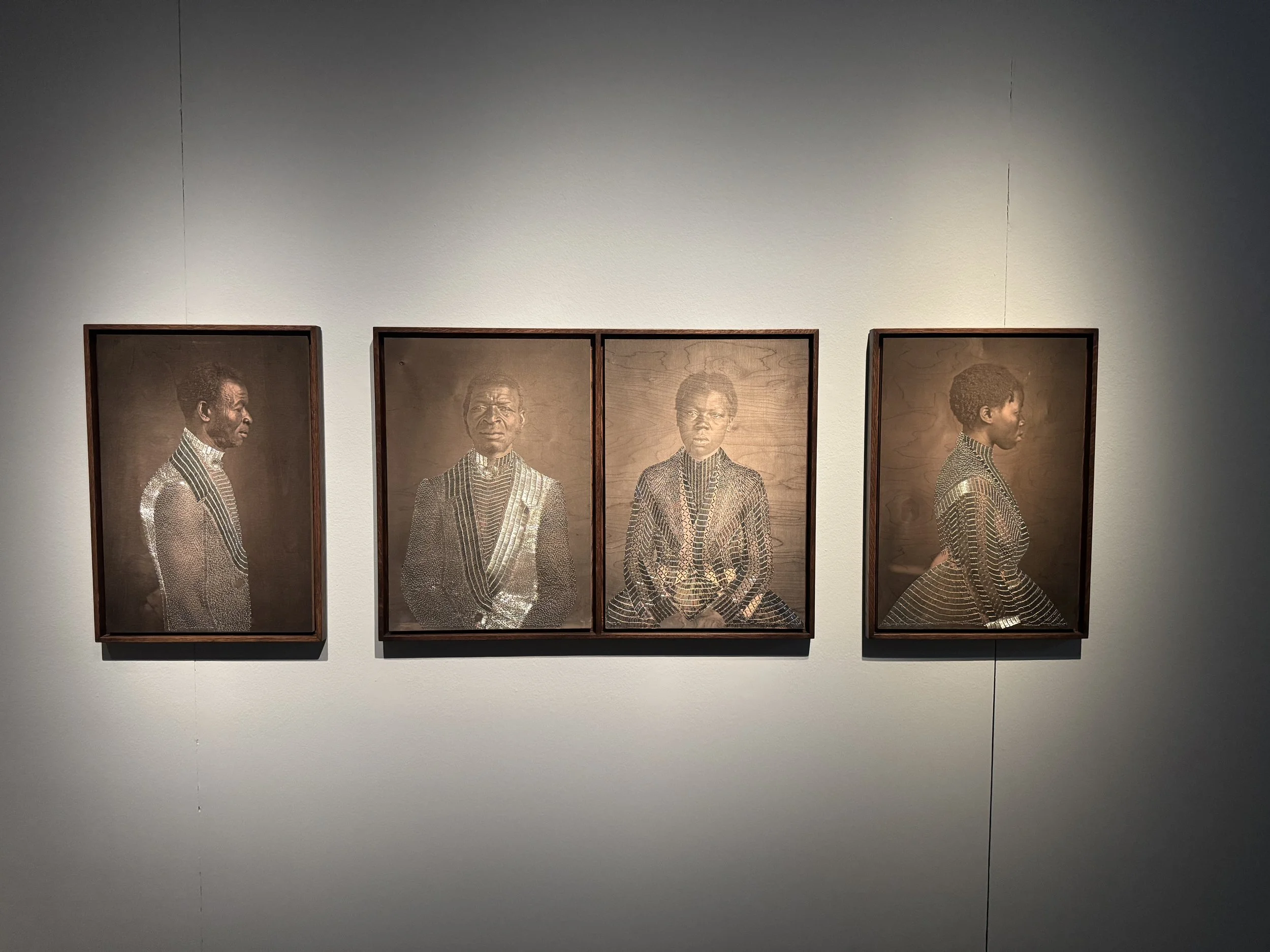
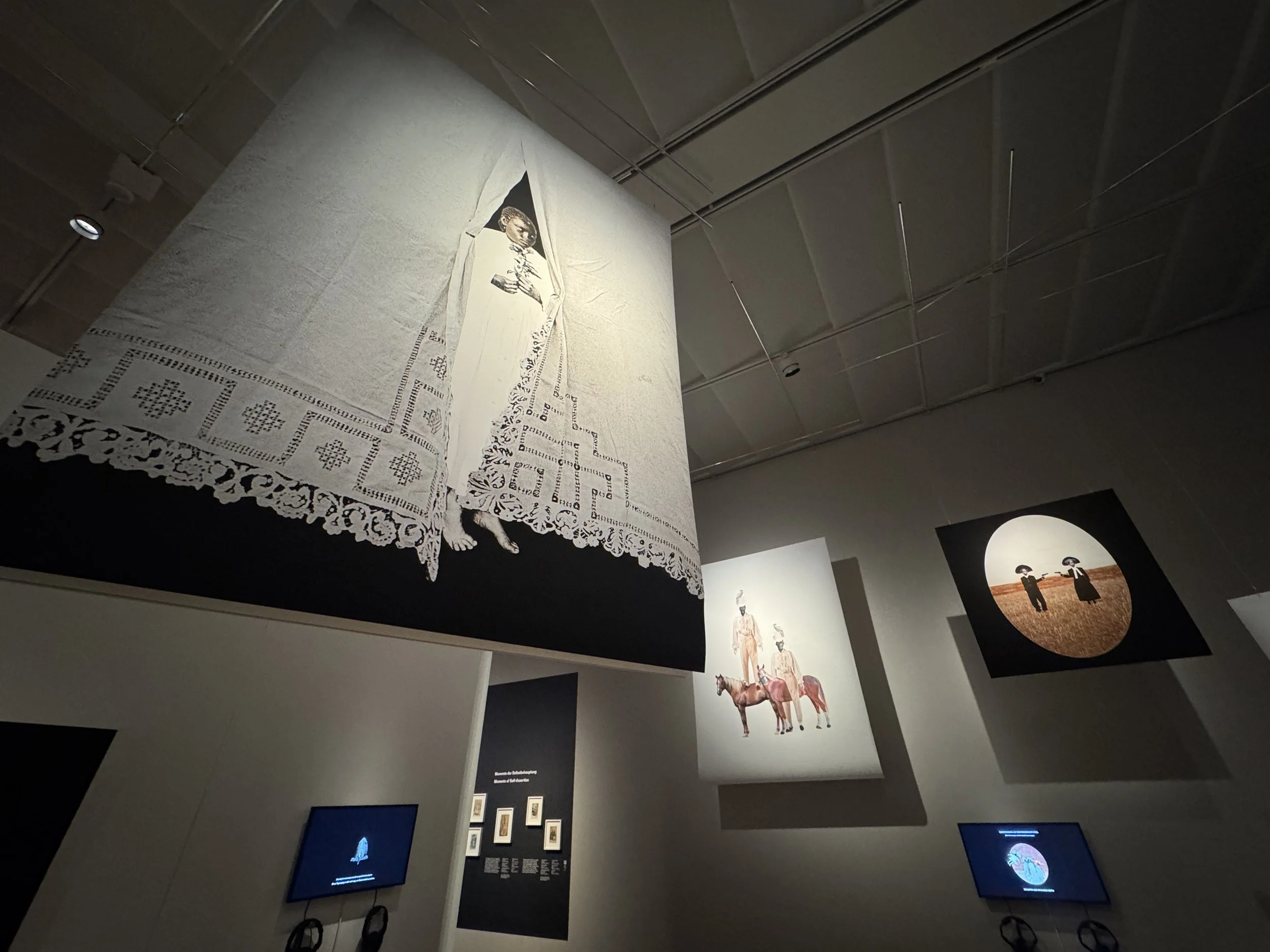
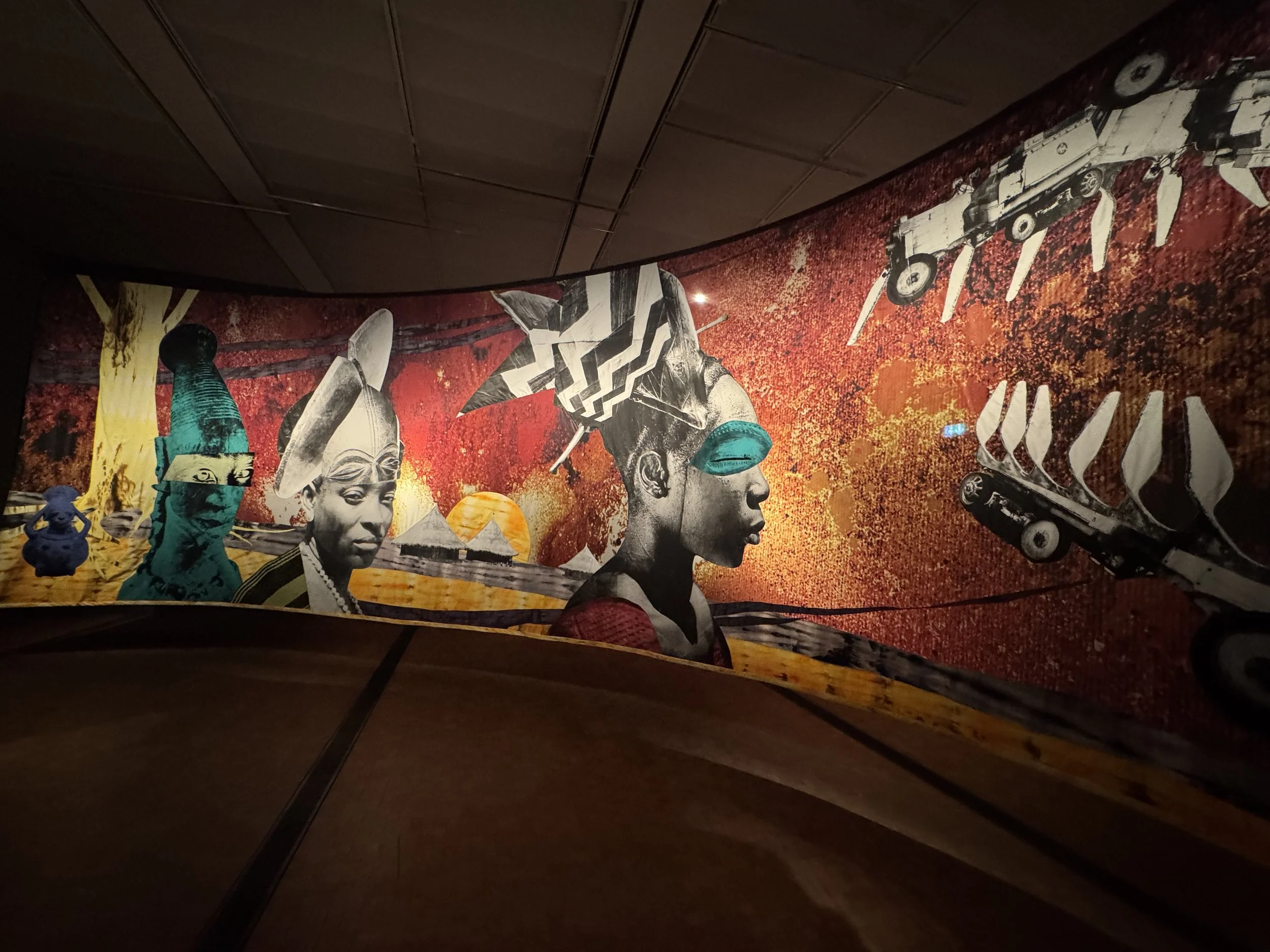
This exhibition review, published in the EKWS Bulletin, engages with Fast ein Paradies at the Museum Rietberg (Zurich), a show that brings together contemporary artistic practices working with colonial photographic archives. Rather than treating these images as fixed historical documents, the exhibition foregrounds their instability, revealing them as sites shaped by power, visual regimes, and ongoing processes of interpretation.
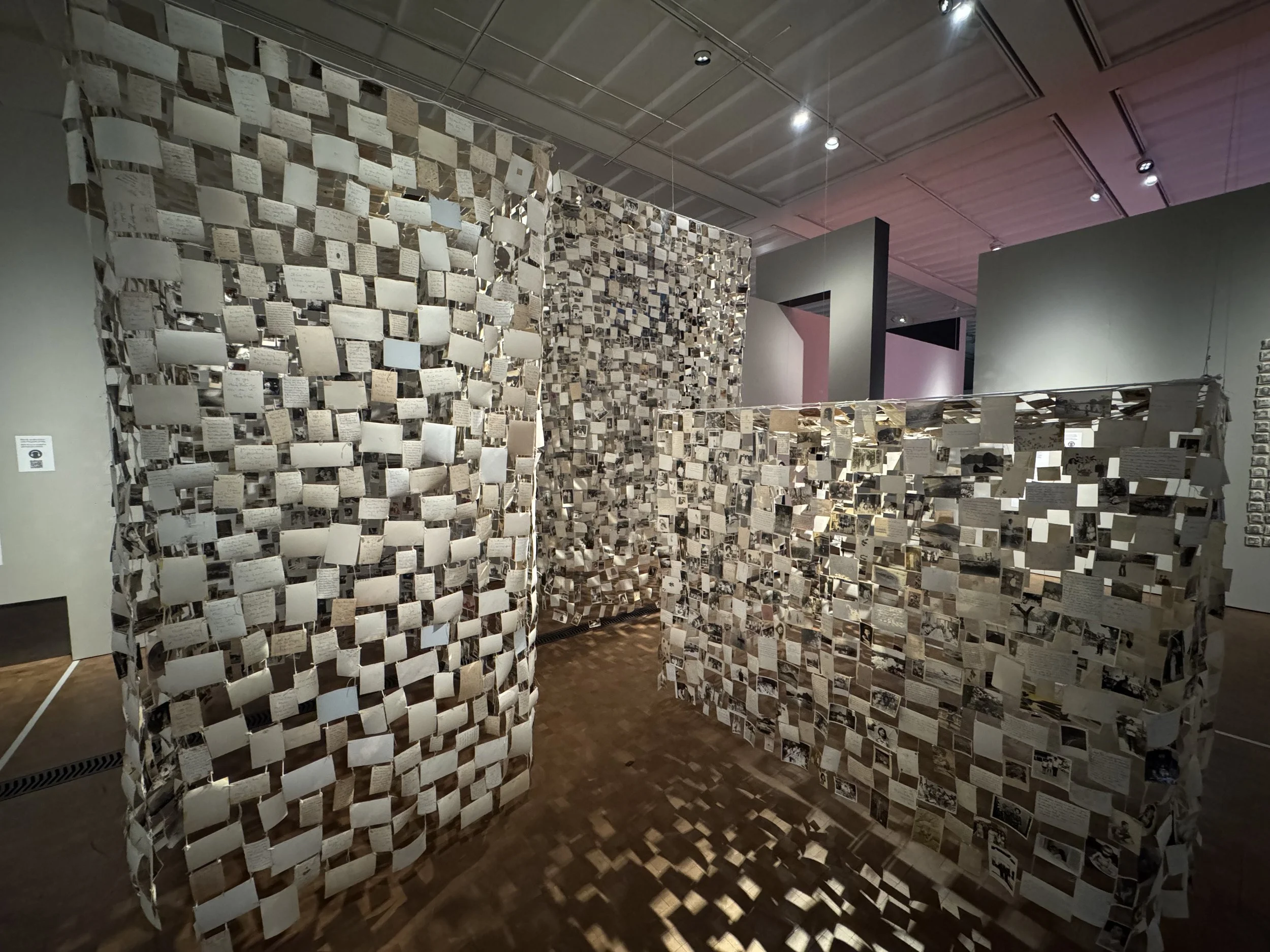
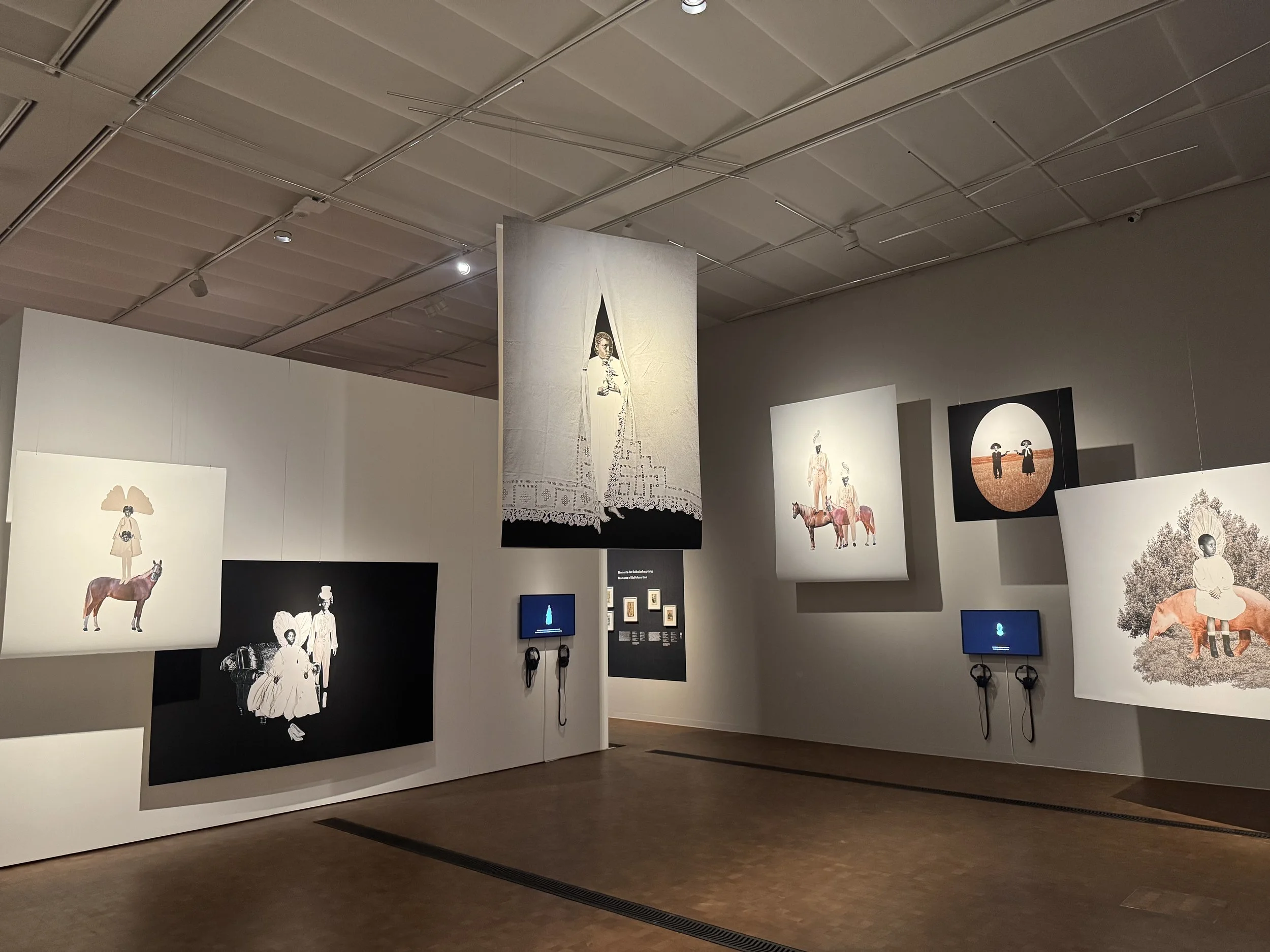
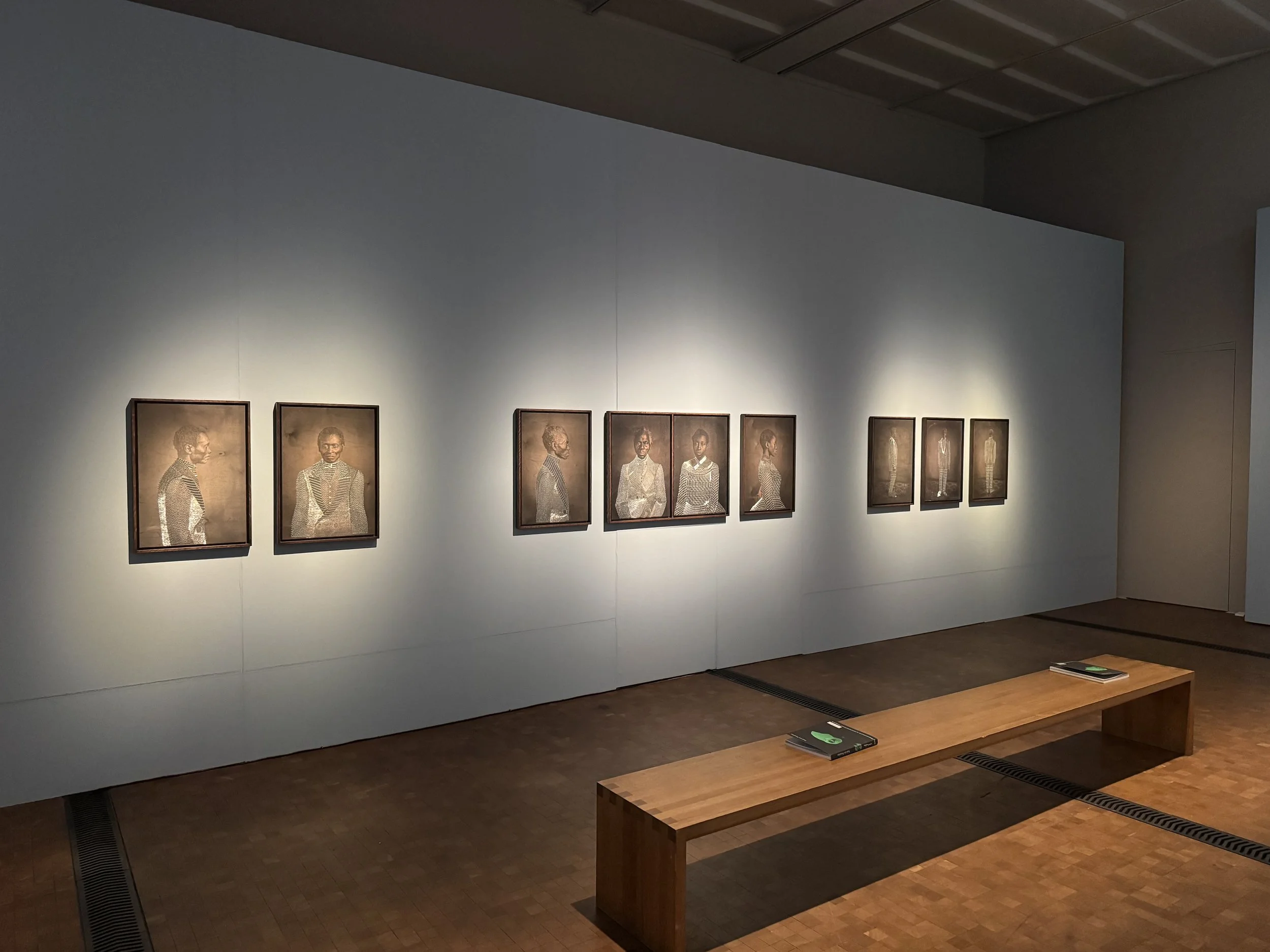
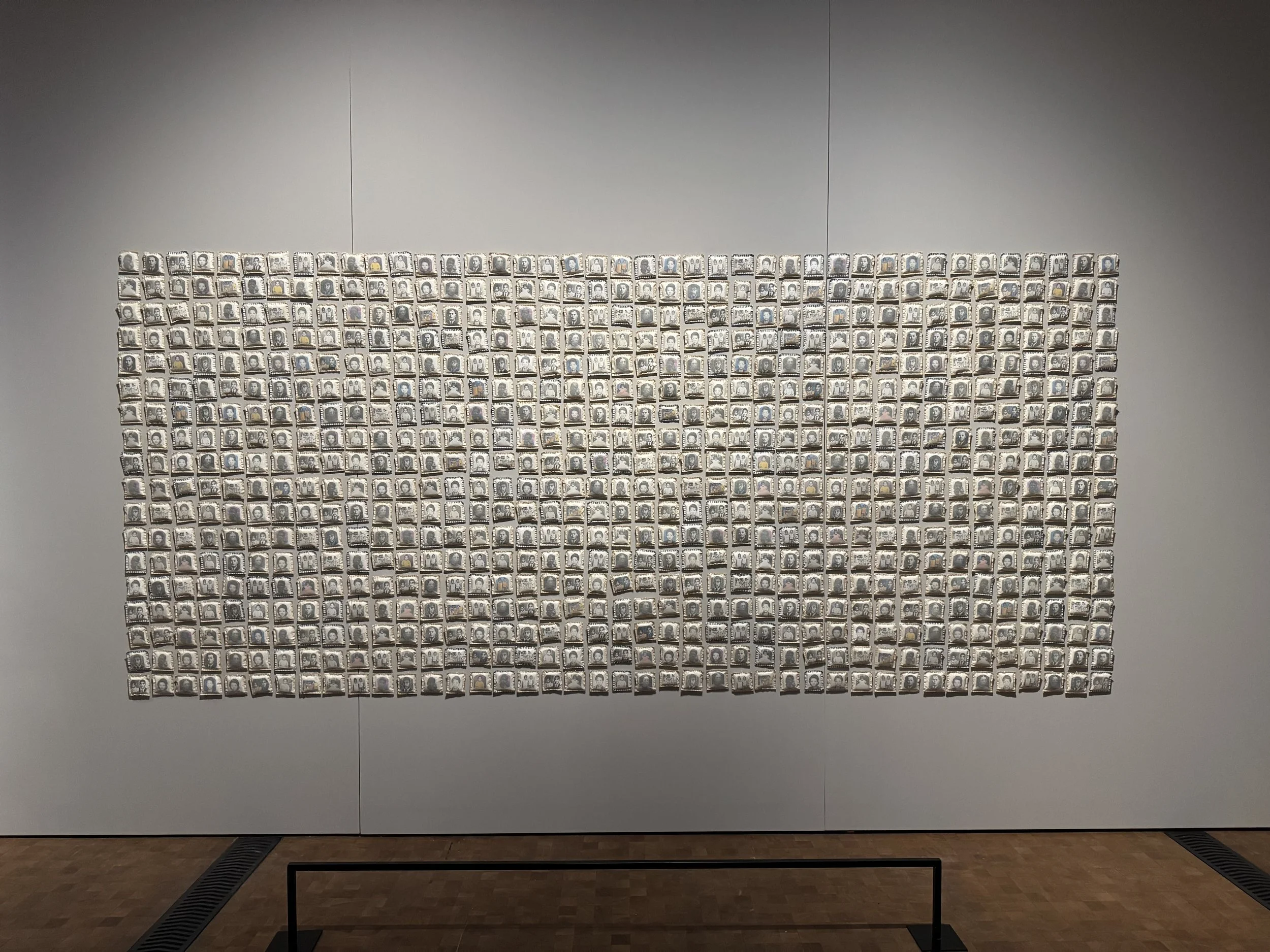
The text examines how the artists involved do not simply reproduce or critique colonial imagery, but actively transform it. Through fragmentation, re-montage, and shifts in materiality across textile, installation, film, and digital formats, archival photographs are re-situated as open, contested objects. In this context, the archive emerges not as a closed repository of the past, but as a dynamic and often fractured structure, marked by absence, interruption, and speculation.
Particular attention is given to the politics of looking. The review traces how the exhibition interrogates the colonial gaze and proposes alternative visual strategies that unsettle inherited ways of seeing. Drawing on Saidiya Hartman’s concept of critical fabulation, the text highlights how historical gaps are not resolved but instead expanded into speculative spaces. At the same time, Afrofuturist perspectives (as articulated by Ytasha L. Womack) open up non-linear temporalities in which past, present, and future intersect within the image.
By focusing on materiality and embodiment, the article also reflects on how images are encountered not only visually, but spatially and affectively. Photographs appear as objects embedded in surfaces, textures, and installations, inviting a form of engagement that moves beyond passive viewing. In doing so, the exhibition and the review, positions memory as layered, incomplete, and continually negotiated.
Ultimately, the text approaches Fast ein Paradies as a space of unlearning: a site that resists definitive answers and instead invites viewers to question their own modes of perception. It asks how we continue to live with images that are historically charged, and how artistic practices can open up new ways of relating to them in the present.